


Due To hikes of Fuel Price, Raise Inflation
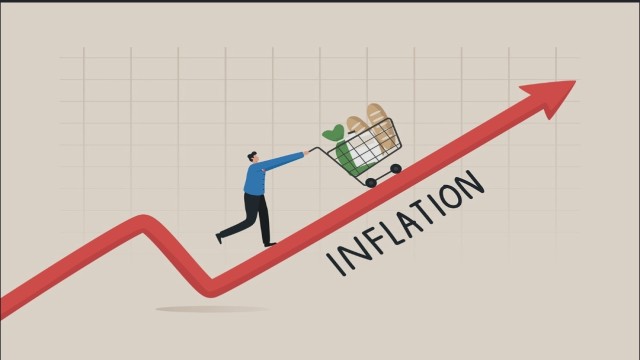
At present increased fuel prices are expected to push up inflation, as higher energy costs affect transport, production, and overall supply chains. Economists say consumers have already started to feel the pressure through rising costs in daily life.
The government had earlier tried to avoid raising fuel prices to protect people from global shocks. But due to financial pressure and market realities, it changed its decision and increased prices. LPG prices went up sharply in April, and fuel prices such as diesel, petrol, and octane were raised to record levels.
Experts explain that when fuel prices rise, it increases costs across many sectors. Transport fares have already gone up, and farmers are facing higher costs for harvesting crops. Businesses are also adjusting by reducing product sizes or profit margins.
Data from the central bank shows that energy inflation has increased recently, indicating the growing impact of higher fuel costs. At the same time, inflation has remained high for a long period, while wages have not kept pace, reducing people’s purchasing power.
Despite these concerns, government ministers have played down the impact. The finance minister said inflation may or may not rise depending on supply conditions. The commerce minister described the fuel price increase as moderate and said it would have only a small effect on overall inflation.
However, economists warn that higher fuel prices usually lead to “cost-push inflation,” meaning prices rise because production costs increase. They say the impact may spread across the economy, although the level of increase will depend on how much fuel contributes to the cost of each product.
Experts also noted that Bangladesh is already facing high inflation, so any additional pressure from fuel price hikes could make the situation more difficult for consumers, especially low-income groups.




Please comments here: